As an NRI buying Indian gold jewelry in 2026, the single most important promise on your invoice is the lifetime exchange and buyback guarantee. Read this guide to understand exactly how that guarantee works across policies, deductions, HUID checks, logistics, foreign exchange, and how to get paid abroad without leaks.
What Lifetime Exchange and Buyback Actually Mean for NRIs
Exchange and buyback sound similar, but they work very differently in practice. Lifetime exchange means you can trade your old piece for a new one, valued at the current gold rate for the net metal weight. This usually locks you to the same brand. In contrast, buyback means the jeweler buys your piece back at the prevailing market rate for the net weight, minus deductions. Those deductions vary by store and policy.
Why this difference matters if you live abroad
For you as an NRI, the details hit harder. You can’t just walk in next Sunday to argue a rate. Shipping adds risk and cost.
Currency shifts change your actual return in USD, CAD, GBP, or AED. As a result, the exact rules for initiating the process from abroad, the courier used (Brinks vs. generic), and the method and currency of payment matter to your net outcome.
- Operational levers that change your result:
- Who arranges insured pickup (you vs. the jeweler), and the insurer’s coverage wording.
- Assay method used (XRF vs. melt assay) and who pays for it if purity is contested.
- FX conversion source for payouts (RBI ref, bank TT sell, or a mid-rate minus spread).
- Whether payout can go to a non-Indian bank account and what KYC is required.
There’s one “gotcha” that blindsides first-time buyers: making charges. On exchange or buyback, policies usually cover only the metal value at current rates. Making charges are usually non-recoverable. You’ll see lines like “making charge recovery at 0–40% for exchange” and “0% on buyback.” That’s not a glitch; it’s the model. Expect this and plan for it.
Exchange vs. Buyback at a Glance
| Aspect | Lifetime Exchange | Buyback |
|---|---|---|
| Where | Usually same brand only | Often same brand; some accept others |
| Value Basis | Current gold rate x net weight | Current gold rate x net weight |
| Making Charges | Frequently 0–40% recovered; capped | Commonly 0% recovered |
| Stones | Valued separately; diamonds need IGI/GIA | Uncertified stones valued near zero |
| Payout | Credit toward new purchase | Cash/bank transfer (minus deductions) |
Moreover, make sure the piece is BIS hallmarked for purity with a unique 6‑digit HUID. Without that, exchange gets painful and buyback gets blocked. A clear “Buy-back guarantee at the prevailing rate” and a written “Lifetime exchange policy” are not nice-to-haves; they’re your liquidity plan.
“The bridal set I bought for my wedding was breathtaking. Craftsmanship is top and the BIS hallmark gave me total peace of mind.” — Priya Sharma, Mumbai
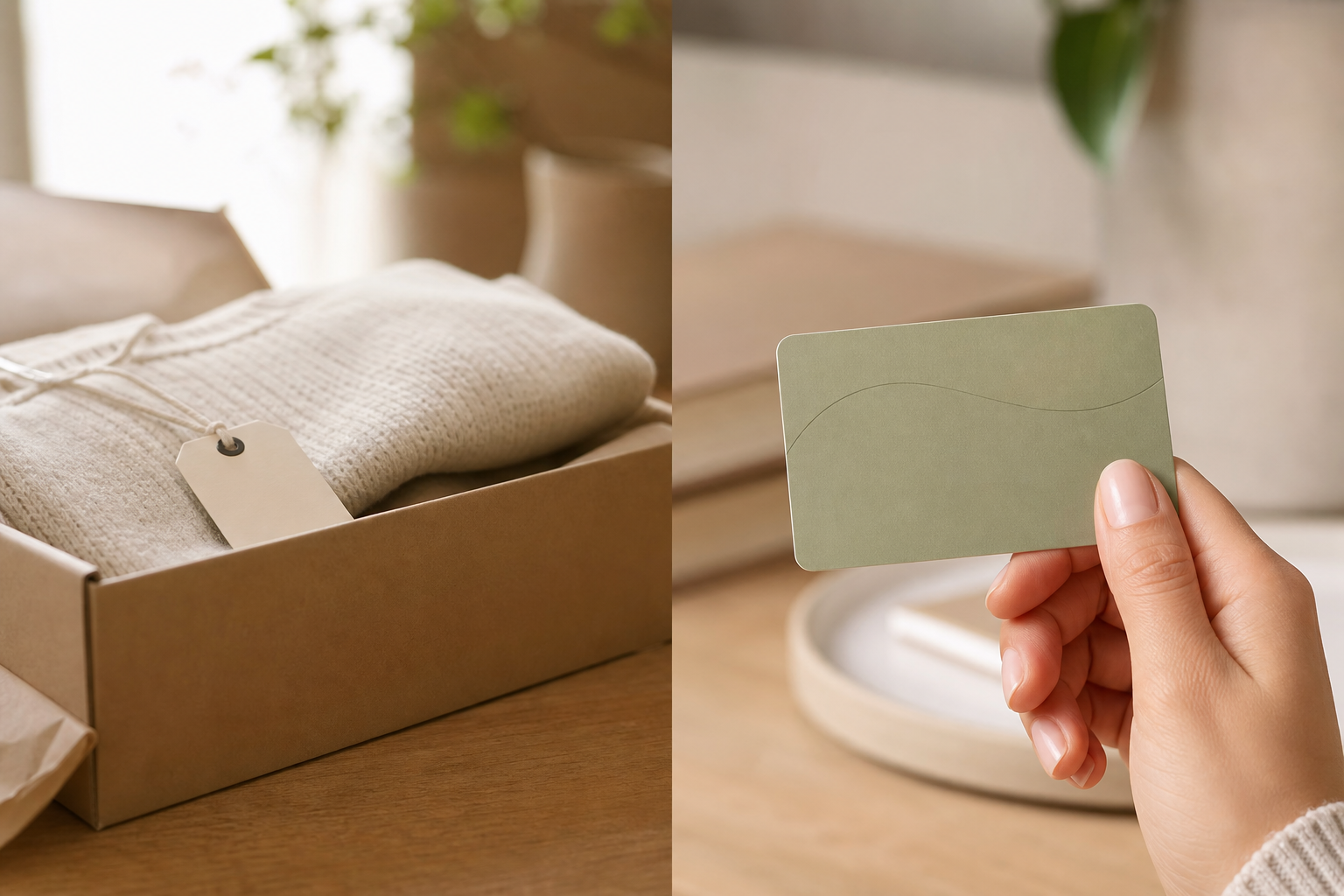 vs Buyback (bank payout), with icons for brand store, BIS HUID check, Brinks courier box, and international bank wire; gold and teal palette)
Quick rupee example to visualize the difference
- Suppose you bought a 22K bangle: gross 52 g, net gold 50 g, making charges = ₹30,000, no stones.
- Today’s rate: ₹6,673/g for 22K. Metal value at buyback/exchange = 50 g x ₹6,673 = ₹3,33,650.
- Exchange case: Store recovers 30% of making (₹9,000) as credit, total credit ≈ ₹3,42,650 toward a new piece (before new making/GST).
- Buyback case: Making is not returned; you receive ≈ ₹3,33,650 minus any stated deductions/assay fees; payout form = bank transfer or cash as per policy.
Currency lens: the same example in USD or AED
- If the jeweler pays only in INR to an Indian bank and you later convert to USD, a 1.5% FX spread and a ₹500 wire fee can reduce net receipts by ₹5,500–₹6,500 on this example.
- If paid directly in AED at a bank TT rate, compare the jeweler’s stated rate versus a live mid-market reference (e. g., XE) and note the spread. Ask them to email the exact rate source used on the payout day.
Also Read!
BKO Jewellery vs Tanishq for NRIs: Which Is Better for Lifetime Exchange and Buyback?
How to Design Custom Jewelry with 3D Preview for the Perfect Gift
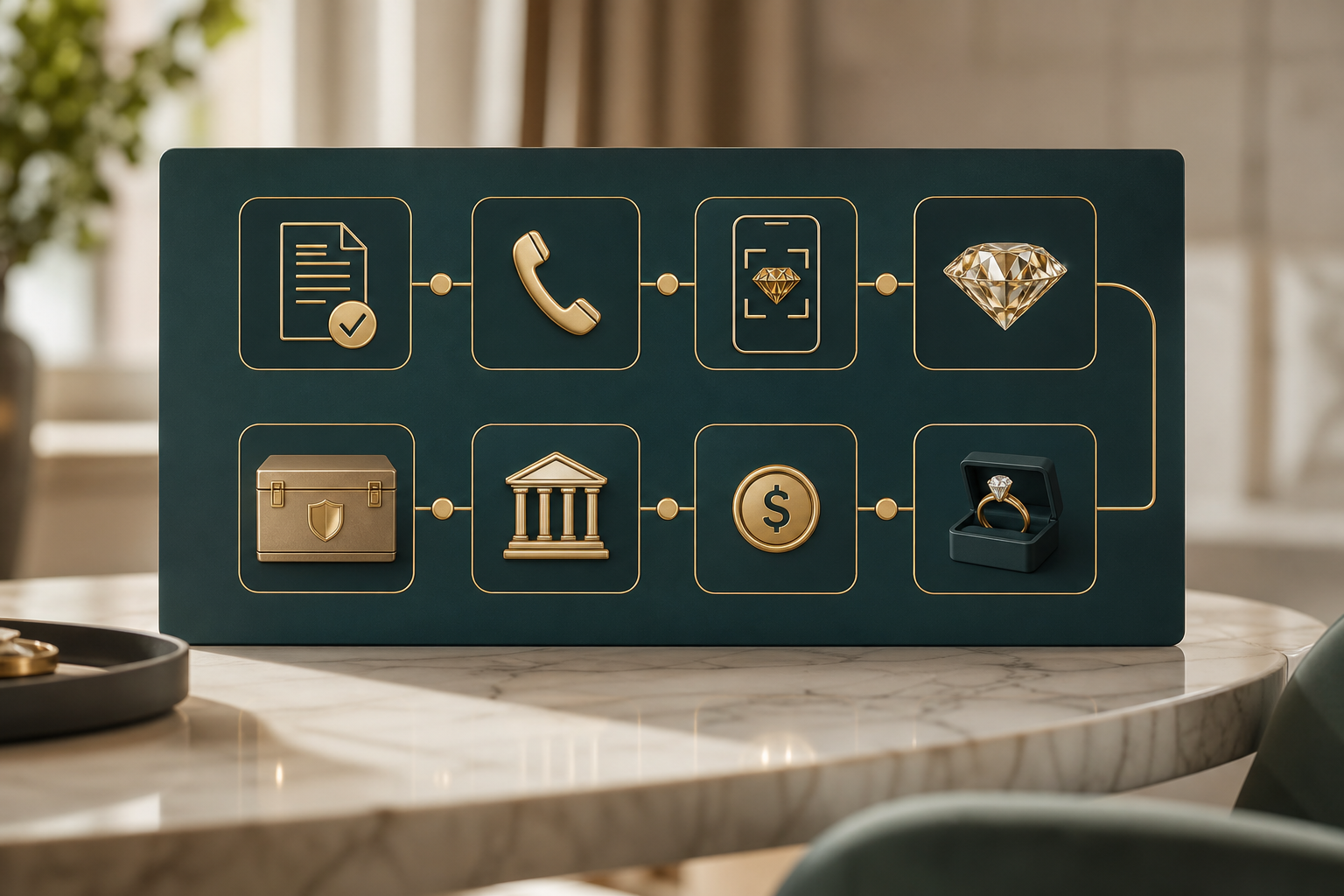
Step-by-Step: How to Evaluate and Use Exchange and Buyback as an NRI
You don’t need guesswork. Use this 8-step checklist to protect your money and your time.
-
Verify both policies exist
First, confirm the jeweler offers BOTH lifetime exchange AND buyback. Many stores push only exchange, which ties you to that brand forever. Ask for the buyback policy document. Look for the exact line: “Buy-back guarantee at the prevailing rate.” Also check for any tenure limits (e. g., “valid for 10 years”) that would contradict “lifetime. -
Confirm the policy works internationally
Second, ask: “Can I initiate from my country of residence?” Then ask how shipping works. Prefer insured logistics like “International shipping to 30+ countries via Brinks, fully insured.” Avoid “bring it in person” policies that don’t help you abroad. If they do allow international initiation, clarify whether they provide a prepaid, insured return label and who bears liability during transit. -
Get the making charge recovery in writing
Third, pin down numbers. On buyback, expect a 100% deduction of making charges. On exchange, most stores recover around 25–40%; some claim 60–75% but cap it per gram. Get the exact percentage, cap, and formula in writing. If a cap is “₹x per gram or y% of making, whichever is lower,” make them show a worked example for your item. -
Check BIS hallmark and HUID
Fourth, ensure “BIS hallmarked for purity” with a “Unique 6-digit HUID on each piece, verifiable via BIS portal or BIS CARE app.” No HUID means a hard stop for buyback. Download the official app and verify before you pay. Keep a screenshot of the HUID lookup alongside your invoice as part of your records. -
Verify diamond certificates
Fifth, for diamond-set pieces, insist on “IGI & GIA certified diamonds.” During buyback, uncertified stones are valued near zero. For small melee stones, ask if the store uses in-house grading and how they value it on return. Confirm whether certified solitaires will be revalued at a published discount to Rapaport or a store matrix. -
Understand payout method, FX, and fees
Sixth, get the money flow on paper. Ask: “Wire transfer? ” Confirm if payout is possible to a non-Indian bank account, or only to an Indian account. What FX rate source applies (e.
, RBI reference, bank TT sell rate, XE mid-rate minus spread)? Note: a 1–2% FX spread can erase small gains from gold moves. Ask for a written flow with timelines, including KYC requirements and whether any Form 15CA/CB or GST documentation is needed on their side. Also confirm remittance charges, intermediary bank fees, and whether they will gross-up if a correspondent bank deducts charges.
-
Keep all documentation
Seventh, keep the invoice, hallmark certificate, diamond certificate, and policy terms. Store digital copies. If purity ever tests below standard, some jewelers include a “Commitment to refund twice the difference if purity is below standard.” That promise only works if you can prove what you bought. Save unboxing photos, the HUID verification screenshot, and any service reports. -
Test with a small piece
Eighth, if possible, run the process once with a small item. You’ll learn the courier steps, insurance details, packing photos required, and bank credit timing without risking a big bridal set. A dry run also reveals whether the brand’s stated deductions match the final offer.
Price math tip for 2026: ask the store to show you this exact formula on the invoice, “Price is calculated as: Total = Metal value (live rate x net weight) + Making charges + Stone charges + 3% GST on jewelry + 5% GST on making charges.” If they dodge, walk. Some states may apply additional local levies or shipping/insurance charges, make sure those are itemized, not blended into making.
Additional NRI packing and shipping tip: before courier pickup, photograph the piece on a kitchen scale and the sealed tamper-proof bag with the airway bill visible. Email those images to the store so both sides have a timestamped record.
- Shoot a 360° video of the piece and the seal number on the bag.
- Note the pickup agent’s ID and capture a photo of the pickup receipt.
- Ask for the insurer’s policy wording that explicitly covers precious metals in transit.
**Get insured shipping details →
| Scenario | Exchange: making charge recovery | Buyback: metal deduction | Stones on buyback |
|---|---|---|---|
| Plain gold, trusted national chain | 25–40% of making (often capped/gram) | 0–1% below live rate after assay | Not applicable |
| Heavy bridal piece, regional store | 10–30% of making (more variability) | 1–3% below live rate + assay fee | Unset/returned at near-zero unless certified |
| Diamond jewelry with certificates | 20–35% of making; diamonds revalued | 0–2% below live rate + assay fee | IGI/GIA stones revalued; melee often minimal |
| Non-hallmarked or no HUID | Exchange may be refused or melt-only | Buyback often refused | Stones treated as scrap/zero |
Note: These are directional ranges to help you ask better questions. Always rely on the jeweler’s written policy and invoice.
Common mistakes to avoid
Mistake 4: Ignoring customs and import rules
Carrying gold into the US, UK, UAE, or Canada can trigger declarations and duties based on value, quantity, or stay duration. Rules change. Therefore, read your country’s official customs guidance before you fly, and check India’s Central Board of Indirect Taxes and Customs site at https://www.cbic.gov.in/. Keep invoices handy.
Mistake 5: Confusing buyback value with your purchase price
Buyback calculates on the current gold rate and the net weight, not the price you paid. If rates drop, you get less. For example, using the listed live rates, 22K Gold is ₹6,673/g. On a 50 g bangle, metal value would reference today’s rate, not last year’s bill. Stones and making charges sit outside that math unless stated.
Quick reminder: your true, realized return = metal value at sale/exchange − deductions − non-recoverable making ± FX effect − shipping/assay/fees. Put each number on paper before you act.
How to sanity-check your bill
- Ask for the line: “Buy-back guarantee at the prevailing rate.
- Confirm the price formula appears word-for-word on your invoice.
- Request a current gold rate printout or screen at checkout.
- Weigh the piece in front of you. Confirm net vs. gross weight.
- If diamonds are included, ensure lab certificate numbers are on the invoice and match the stones.
- Cross-check the BIS HUID you scanned with what’s printed on the tag and invoice; all three should align.
“I love that I can book a video consultation before buying. The designer walked me through three options over a call. Bought on the spot.” — Kavita Reddy, Hyderabad
Also Read!
Best Custom Jewelry Design with 3D Preview for Jewelry Gifts in 2026
Best Gold Jewelry with Lifetime Exchange and Buyback for NRIs in 2026
Tools and Resources for NRIs Buying Gold Jewelry with Confidence
Start with the BIS CARE App. It lets you verify any hallmarked jewelry’s HUID and stated purity. You can also read about hallmarking and standards at the Bureau of Indian Standards site: https://bis.gov.in/. Verify every piece, especially gifts, before you rely on an exchange or buyback promise.
Next, track India gold rates. Use live trackers like goodreturns. in or ibjarates. com to know the day’s rate before you agree to an exchange or sale. Screenshots help if you need to question a quote.
Official links and trackers (bookmark these)
- BIS hallmarking overview: https://bis.gov.-BIS CARE App (Android): https://play.google.com/store/apps/details? id=in. gov.
- BIS CARE App (iOS): https://apps.apple.-IBJA live bullion rates: https://ibjarates.- Goodreturns gold rates: https://www.goodreturns.-CBIC customs and traveler updates: https://www.cbic.gov.-RBI reference rates (for FX context): https://www.rbi.org.ForNRI-friendly policies, look for jewelers that offer: “International shipping to 30+ countries via Brinks, fully insured,” “Lifetime exchange policy,” and a clear “Buy-back guarantee at the prevailing rate.” Tools like Caratflow are worth assessing alongside established names like Tanishq, CaratLane, or Kalyan Jewellers. Compare the exact policy PDFs, not marketing banners.
Additionally, video consultation helps a lot if you can’t visit. Many stores now offer a live consultation with a designer before purchase. Risk reversals like “365-day free insured returns” and service add-ons like “Lifetime free polishing and re-plating” can ease your first order from abroad. Still, always anchor on documents and math, not perks.
How to vet a jeweler remotely (practical checklist)
- Ask for a PDF of their lifetime exchange and buyback policies, signed or on letterhead.
- Request a sample invoice that shows the exact calculation formula they’ll use in 2026.
- Do a live video where they scan the HUID on the BIS CARE app in front of you.
- For diamond pieces, request copies of IGI/GIA certificates and match report numbers during the call.
- Confirm how they will handle returns from your country: carrier, insurance value, and liability transfer.
- Get payout timelines and currencies in writing; ask who pays intermediary bank fees.
Key Takeaways
- Exchange and buyback are different: exchange credits you at today’s metal value for new designs; buyback pays you cash at today’s rate minus deductions.
- Making charges are the trap: 100% deducted on buyback, and only partly recovered on exchange.
- HUID is your gate pass: without a 6‑digit BIS HUID, jewelers can reject returns.
- Remote-friendly policies matter for NRIs: look for insured Brinks shipping, video verification, and wire payouts.
- In 2026, keep every document and confirm the invoice formula before you pay.
- Use official sources (BIS, IBJA, CBIC) and record screenshots so quotes and rates are verifiable.
- The lifetime exchange and buyback guarantee only protects you if its terms are in writing and workable from abroad.
- Always account for FX spreads, courier insurance, assay fees, and potential customs when estimating your net outcome.
Start secure gold buyback →
- Request an email confirming their acceptance of responsibility once the insured courier status shows “Delivered.
- Ask the store to share the assay report and the exact rate source used for your final quote, then approve or decline in writing for a clear audit trail.